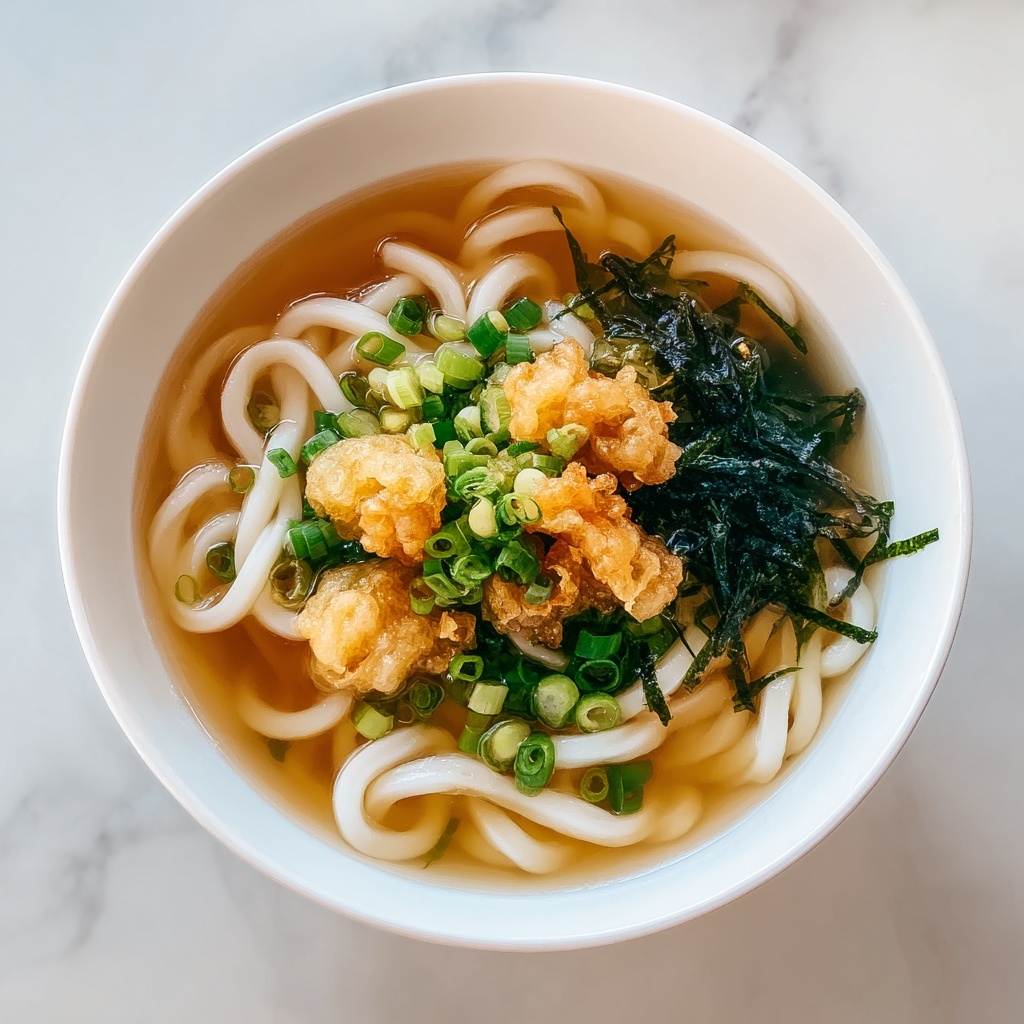
If you’re craving a comforting bowl of warmth that feels like a gentle hug in a bowl, this Japanese Udon Soup Recipe is exactly what you need. Packed with delicate layers of umami from the dashi kombu and balanced by the subtle sweetness of mirin and sugar, this soup turns simple udon noodles into a soul-satisfying meal. It’s quick to prepare, soothing during colder days, and offers a taste of authentic Japanese home cooking that everyone will love.
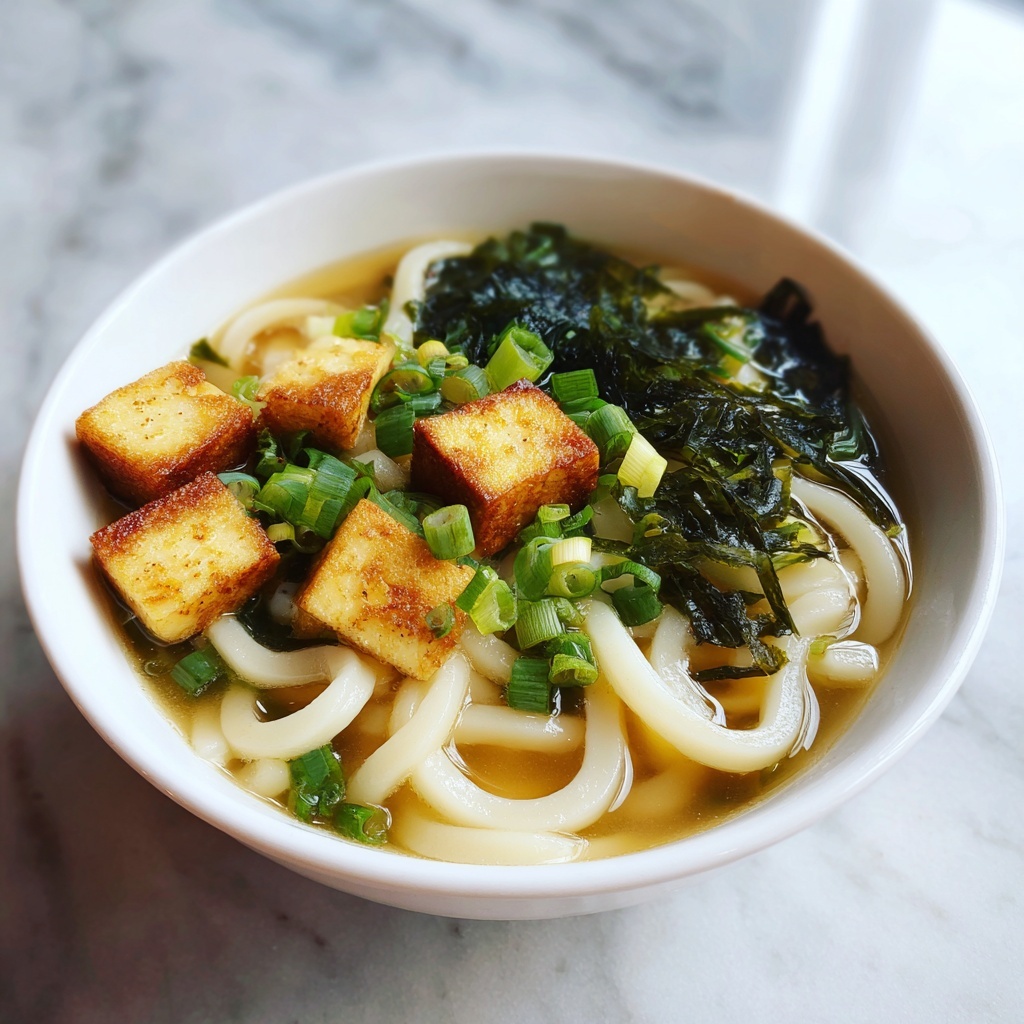
Ingredients You’ll Need
These ingredients are straightforward but each one plays an essential role in creating the delicious balance of flavors and textures in this Japanese Udon Soup Recipe. From the rich dashi kombu that forms the broth base to the tender noodles and fresh garnishes, every element counts.
- 4 cups water: The foundation for your broth, allowing flavors to gently infuse.
- 1 piece dashi kombu (dried kelp) (about 4 inches): Adds a deep, savory umami note essential for authentic broth.
- 2 tbsp soy sauce: Brings saltiness and richness that season the broth beautifully.
- 1 tbsp mirin: Offers a subtle sweetness and a hint of acidity, balancing the flavors.
- 1 tsp sugar: Softens the broth’s profile with just a touch of sweetness.
- 200 g udon noodles (fresh or dried): Thick, chewy noodles that soak up the broth perfectly.
- 2 green onions (thinly sliced): Fresh and vibrant garnish adding crunch and brightness.
- 1 sheet nori (cut into strips): Brings a subtle seaweed flavor and a lovely textural contrast.
How to Make Japanese Udon Soup Recipe
Step 1: Soak the Kombu
Start by placing the dashi kombu into the 4 cups of water in a medium-sized pot. Let it soak for about 10 minutes to slowly release its unique, savory essence into the water. This soaking step is crucial because it infuses the liquid with the subtle umami flavor that forms the heart of the soup.
Step 2: Heat the Broth
Once soaking is done, place the pot over medium heat. Warm the water slowly until it is just about to boil, but don’t let it come to a full boil — this keeps the broth clear and delicate. At this point, remove the kombu carefully; leaving it in too long can make the broth bitter, so timing is key for a perfectly balanced taste.
Step 3: Season the Broth
Add soy sauce, mirin, and sugar to the kombu-infused water. Stir these ingredients in thoroughly and let the broth simmer gently for about 5 minutes. This simmering melds the salty, sweet, and umami flavors into a rich yet nuanced stock, setting the stage for the noodles to shine.
Step 4: Cook the Udon Noodles
While your broth simmers, cook your udon noodles according to the package instructions. Whether you’re using fresh or dried, make sure to drain them well and rinse quickly under cold water to stop the cooking process. This step keeps the noodles chewy and springy, perfect for soaking up that flavorful broth.
Step 5: Assemble the Soup
Divide the cooked noodles evenly between two bowls. Pour the hot, seasoned broth over them immediately to warm the noodles through and marry the flavors. This is when your soup starts to truly come alive with inviting aromas and an irresistible inviting appearance.
Step 6: Add Toppings
Top each bowl with thinly sliced green onions and delicate strips of nori. These final touches add pops of color, freshness, and a subtle briny crunch, rounding out the experience of every spoonful.
How to Serve Japanese Udon Soup Recipe
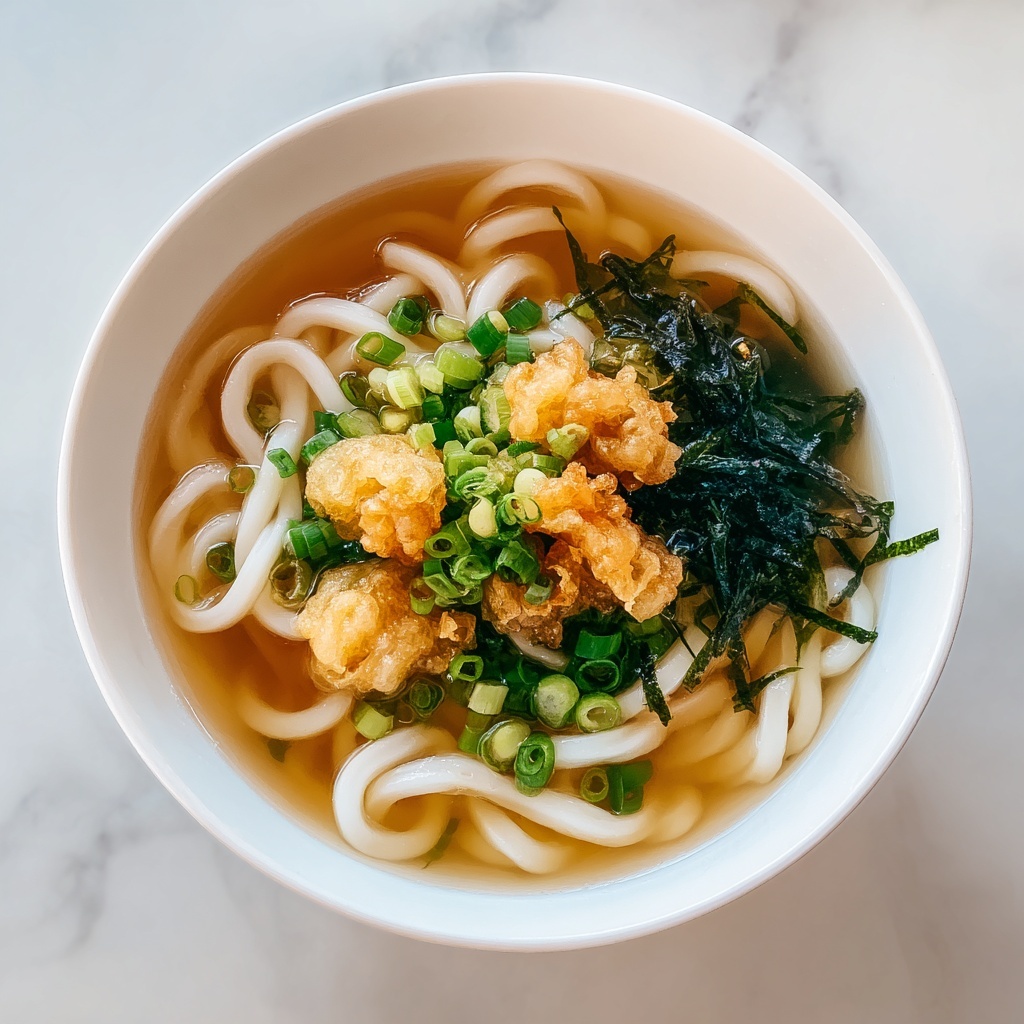
Garnishes
Green onions and nori strips are classic and simple garnishes that bring brightness and texture to the soup. You might also consider adding a soft boiled egg, a sprinkle of toasted sesame seeds, or a few shreds of fresh chili for an extra kick.
Side Dishes
Serve this soup alongside light Japanese sides such as pickled vegetables, steamed edamame, or vegetable tempura. These complement the soup without overpowering its delicate flavors, making your meal feel complete and satisfying.
Creative Ways to Present
For a visually appealing presentation, serve your udon soup in rustic wooden bowls or minimalist white porcelain to highlight the colors. Garnish with a small bamboo leaf or use edible flowers for a refined touch that turns dinner into a feast for the eyes as well as the palate.
Make Ahead and Storage
Storing Leftovers
You can store leftover broth separately in an airtight container in the refrigerator for up to three days. Keep the cooked noodles stored on their own as well, so they don’t become too soft or mushy.
Freezing
The broth freezes very well and can be thawed easily for future meals. Avoid freezing the noodles with the broth because they tend to lose their texture after freezing and reheating.
Reheating
Reheat the broth gently over low heat to preserve its delicate flavors. Warm the noodles separately by briefly dunking them in hot water before combining for serving. This method keeps everything fresh and tasty.
FAQs
Can I use instant dashi instead of kombu?
Absolutely! Instant dashi powder offers convenience and still delivers the umami base, though the homemade kombu soak tends to provide a cleaner and more nuanced flavor.
Are fresh or dried udon noodles better?
Both work well, but fresh udon noodles have a softer texture and cook faster, while dried noodles are firmer and require a longer cooking time. Choose based on your preference and availability.
Can I add other proteins or vegetables?
Definitely! Sliced chicken, tofu, mushrooms, or leafy greens like spinach can be gently added to make the soup heartier and more nutritious without overwhelming the classic flavor.
Is this recipe spicy?
No, the traditional Japanese Udon Soup Recipe is mild and soothing. However, you can spice it up by adding fresh chili slices or a touch of chili oil if you like some heat.
How can I make the broth more flavorful?
Simmering the kombu longer or adding dried shiitake mushrooms can increase depth of flavor. Just be careful not to boil the kombu to avoid bitterness.
Final Thoughts
This Japanese Udon Soup Recipe is one of those cozy dishes that instantly feels like home, offering both simplicity and richness in every spoonful. Whether you’re new to Japanese cooking or a seasoned fan, it’s a wonderful way to enjoy a quick yet deeply satisfying meal. So why not gather your ingredients and give it a try tonight? I promise you’ll be delighted by how this humble soup can brighten your day.
Print
Japanese Udon Soup Recipe
- Prep Time: 10 minutes
- Cook Time: 15 minutes
- Total Time: 25 minutes
- Yield: 2 servings
- Category: Soup
- Method: Stovetop
- Cuisine: Japanese
Description
This traditional Japanese Udon Soup is a comforting and flavorful noodle dish featuring thick udon noodles in a delicate dashi-based broth seasoned with soy sauce, mirin, and a hint of sugar. Garnished with fresh green onions and nori strips, it’s a quick and easy meal perfect for any occasion.
Ingredients
Broth Ingredients
- 4 cups water
- 1 piece dashi kombu (dried kelp), about 4 inches
- 2 tbsp soy sauce
- 1 tbsp mirin
- 1 tsp sugar
Noodles and Garnish
- 200 g udon noodles (fresh or dried)
- 2 green onions, thinly sliced
- 1 sheet nori, cut into strips
Instructions
- Soak Kombu: In a medium pot, soak the dashi kombu in 4 cups of water for 10 minutes to extract its flavor into the broth.
- Heat Broth: Place the pot over medium heat and heat until the water is nearly boiling. Remove and discard the kombu to prevent bitterness.
- Season Broth: Add soy sauce, mirin, and sugar to the pot. Stir well and let the broth simmer gently for 5 minutes to meld the flavors.
- Cook Noodles: Meanwhile, cook the udon noodles according to the package instructions until tender. Drain and rinse under cold water to stop cooking and remove excess starch.
- Assemble Soup: Divide the cooked noodles evenly between two bowls. Pour the hot seasoned broth over the noodles.
- Garnish and Serve: Top each bowl with thinly sliced green onions and nori strips. Serve immediately while hot for the best flavor.
Notes
- For a richer broth, you can add dried bonito flakes along with the kombu during soaking and strain before seasoning.
- If using dried udon, ensure you cook them thoroughly as per package instructions.
- Nori can be toasted briefly for enhanced flavor before using as garnish.
- Add protein such as tofu, chicken, or tempura for a heartier meal.