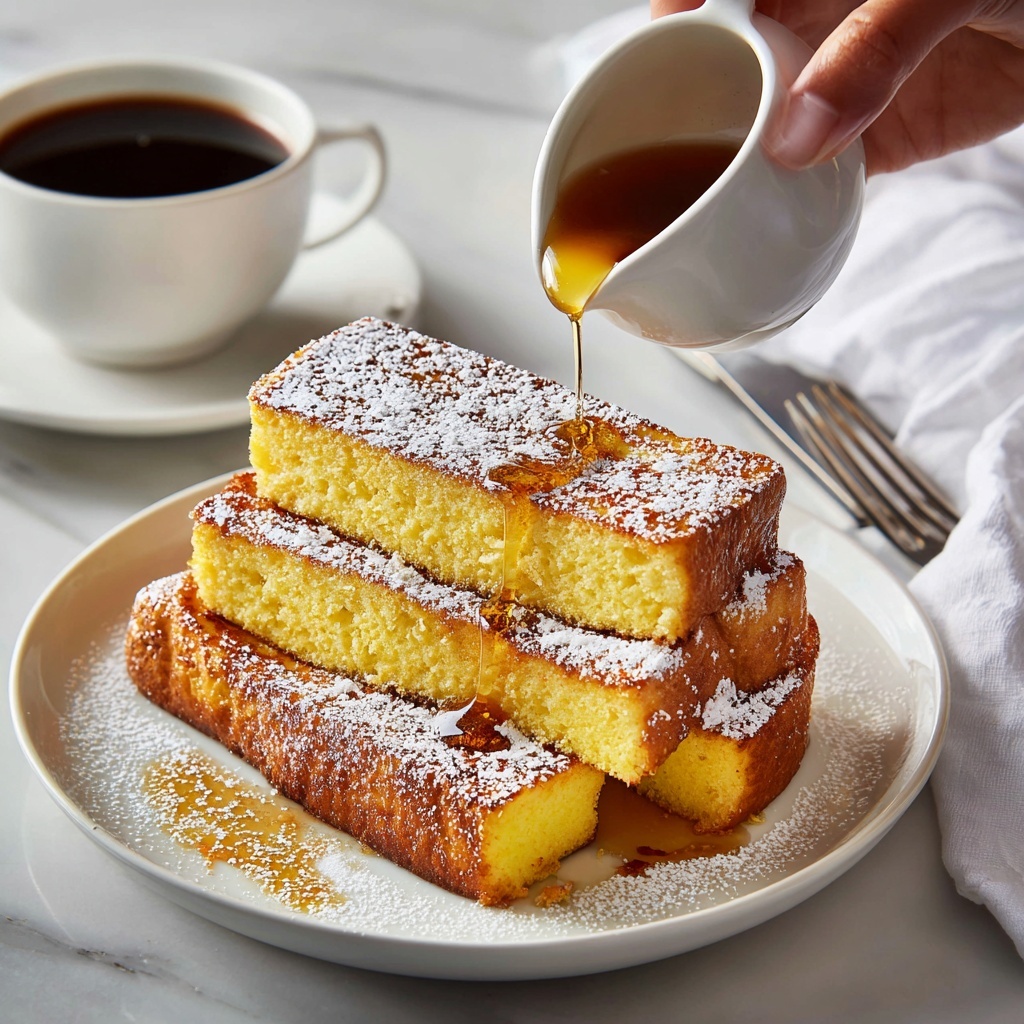
If you love the comforting charm of classic French toast but crave something a little more unique and delightfully balanced, this Japanese Style Tamagoyaki French Toast Recipe will become your new favorite morning treat. Inspired by tamagoyaki—the sweet and savory Japanese rolled omelet—this recipe brings together fluffy eggs with a subtle hint of soy sauce and sugar-soaked bread to create slices of breakfast bliss. Each bite offers a perfect harmony of flavors that feels both familiar and refreshingly different. You’re about to discover how simple ingredients can transform into a dish that tastes like a hug on a plate.
Ingredients You’ll Need
The magic of this Japanese Style Tamagoyaki French Toast Recipe lies in a handful of simple, everyday ingredients that work together to create layers of flavor and texture. Each one plays its part to ensure the final dish is rich, fluffy, and lightly sweet with that signature hint of umami.
- 4 large eggs: The foundation for the eggy coating that envelops the bread, providing richness and structure.
- 2 tablespoons milk: Adds creaminess and helps the eggs coat the bread smoothly.
- 1 tablespoon sugar: Balances the savory notes with just the right amount of sweetness.
- 1 teaspoon soy sauce: Introduces that classic umami depth, making the flavor profile uniquely Japanese.
- 1/2 teaspoon mirin (optional): A touch of sweetness and subtle complexity that enhances the egg mixture.
- 4 slices thick white bread (milk bread or brioche): Choose fluffy, soft bread to absorb the egg mixture without falling apart.
- 1 tablespoon butter: For cooking the toast, adding richness and helping achieve a golden, crisp exterior.
- Optional toppings: Fresh berries, maple syrup, powdered sugar, or whipped cream to personalize your serving.
How to Make Japanese Style Tamagoyaki French Toast Recipe
Step 1: Prepare the Egg Mixture
Begin by whisking together your eggs, milk, sugar, soy sauce, and mirin in a medium bowl. Whisk vigorously until the ingredients are well combined and the mixture is slightly frothy. This aerates the eggs a bit and ensures each piece of bread will be coated evenly, setting the stage for a soft yet flavorful finish.
Step 2: Cut and Soak the Bread
Remove the crusts from your thick bread slices and cut each slice into thirds or shapes that make rolling and dipping easier. This smaller size helps the egg soak in thoroughly and cooks evenly without sogginess. Dip each piece fully into the egg mixture, allowing it to soak for a few seconds to absorb enough of that signature sweet-savory blend.
Step 3: Cook the Egg-Soaked Bread
Heat your nonstick skillet over medium-low heat and melt a bit of butter to grease the surface. Add the soaked bread pieces in batches, ensuring not to overcrowd the pan. Cook slowly, flipping each piece after 2 to 3 minutes when the bottom is golden and the egg coating is set. The slow cooking is key here; it ensures the toast develops a golden crust while remaining tender and moist inside.
Step 4: Finish Cooking and Serve
Continue cooking the remaining bread pieces, adding more butter to the pan as needed to prevent sticking and to add richness. Serve the Japanese Style Tamagoyaki French Toast Recipe warm with your favorite toppings to elevate the experience. The delicate layers and balanced flavors shine brightest just off the skillet.
How to Serve Japanese Style Tamagoyaki French Toast Recipe
Garnishes
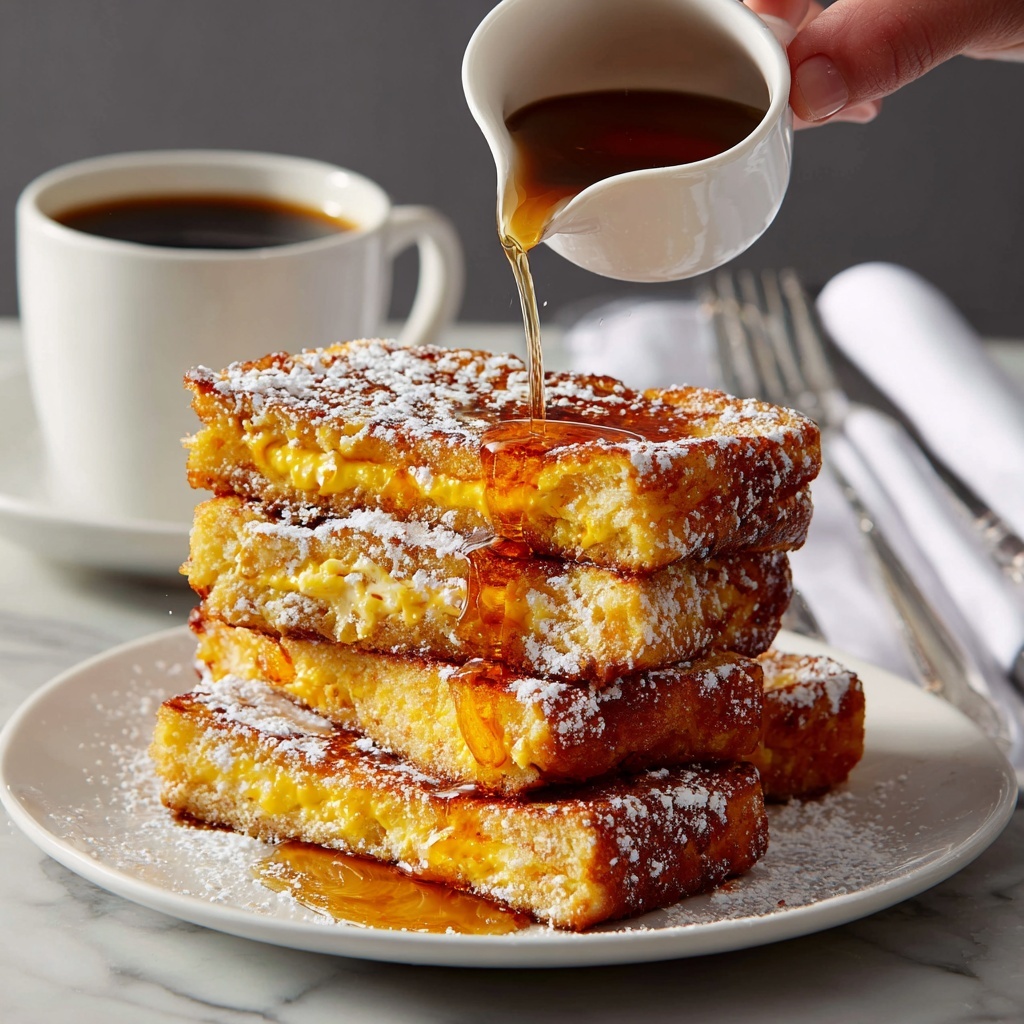
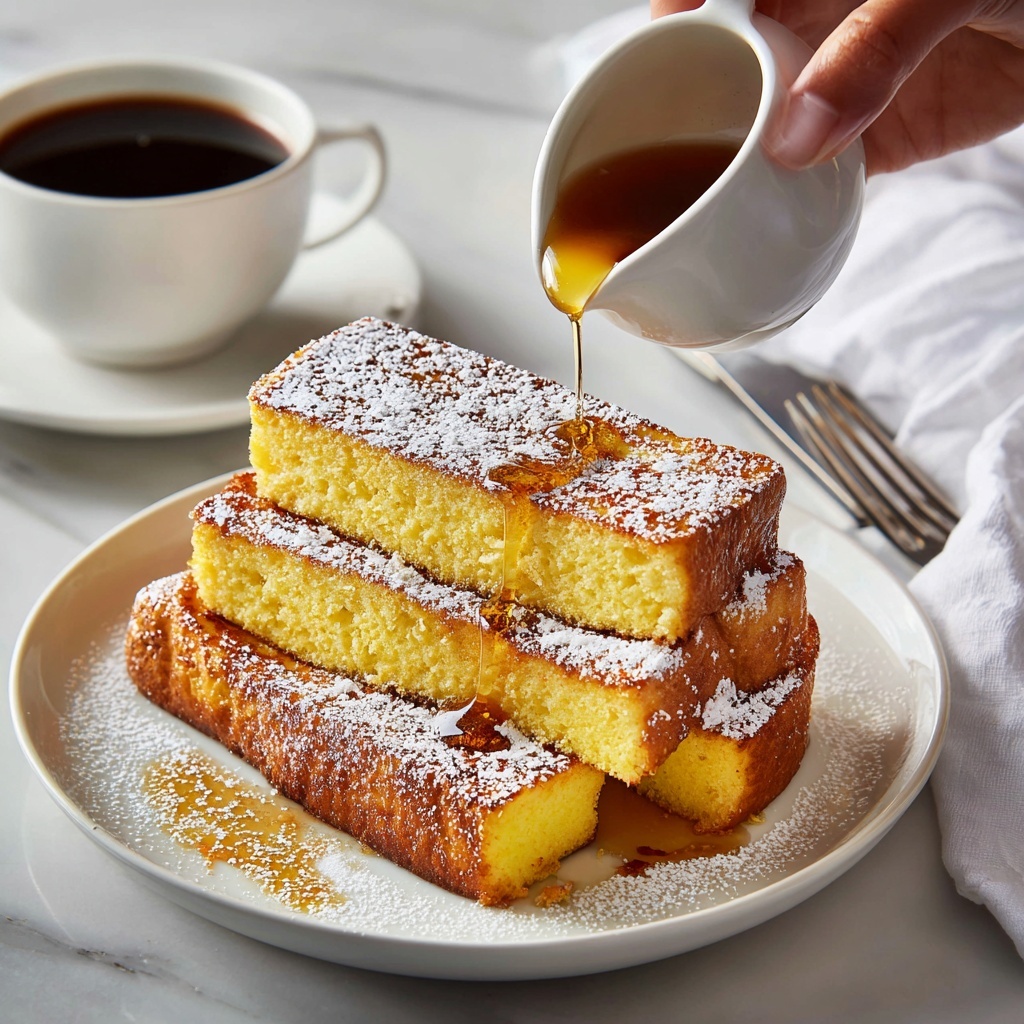
To complement the sweet and savory base, garnishes like fresh berries add a burst of natural freshness and color. A light dusting of powdered sugar brings a touch of sweetness along with visual appeal. Maple syrup offers a classic pairing that blends beautifully with the subtle umami, and whipped cream introduces a velvety richness that feels indulgent.
Side Dishes
This Japanese Style Tamagoyaki French Toast Recipe pairs wonderfully with simple sides such as a mixed green salad for contrast or miso soup for an authentic Japanese brunch vibe. Lightly pickled vegetables or fresh fruit salad also make excellent companions, balancing the richness of the toast while keeping the meal bright and refreshing.
Creative Ways to Present
For a playful twist, try rolling the soaked bread pieces into neat cylinders to mimic the traditional tamagoyaki shape, using a rectangular pan if you want to get fancy. Arrange the pieces like sushi on a plate with a drizzle of syrup or soy sauce-inspired glaze. Alternatively, stack the pieces for a towering French toast “cake” layered with fruit and cream. Presentation adds an extra layer of joy to this already charming dish.
Make Ahead and Storage
Storing Leftovers
If you have any leftovers, store them in an airtight container in the refrigerator for up to 2 days. To maintain their soft texture, place a paper towel at the bottom of the container to absorb excess moisture. This way, your Japanese Style Tamagoyaki French Toast Recipe stays fresh and ready for a quick breakfast or snack.
Freezing
For longer storage, wrap each piece individually in plastic wrap and place them in a freezer-safe bag. Frozen French toast can keep well for up to one month. When you’re craving this delightful fusion breakfast, simply thaw overnight in the fridge before reheating.
Reheating
The best way to reheat your Japanese Style Tamagoyaki French Toast Recipe is to warm it gently in a nonstick skillet over low heat or in a toaster oven. This method helps restore a crisp outer layer while keeping the inside tender. Microwaving is quick but can sometimes lead to a soggier texture, so if using a microwave, heat briefly and check often.
FAQs
Can I use other types of bread for this recipe?
Absolutely! While thick white breads like milk bread or brioche are ideal for their softness and ability to soak up the egg mixture, you can experiment with challah or even sourdough for different textures and flavors. Just ensure the bread slices are thick enough to hold up during soaking and cooking.
Is mirin necessary in the egg mixture?
Mirin is optional but recommended as it adds a gentle sweetness and depth that enhances the overall flavor. If you don’t have mirin, you can skip it without drastically changing the taste, thanks to the sugar and soy sauce already balancing the flavors.
Can I make this recipe vegan?
Since this recipe centers around eggs and dairy, it’s not naturally vegan. However, you can experiment with vegan egg substitutes and plant-based milk, though the texture and flavor will be different. The unique taste of tamagoyaki comes primarily from the eggs, so it’s hard to replicate exactly without them.
What’s the best way to get that golden crust without burning?
Cooking over medium-low heat and using a nonstick skillet with butter helps create a golden, evenly cooked crust. Patience is key—flip the bread only when the bottom is set and golden to avoid burning. Adjust the heat as needed if it seems to be browning too fast.
Can this Japanese Style Tamagoyaki French Toast Recipe be served for dinner?
Definitely! Though it’s often enjoyed as breakfast or brunch, this versatile dish works beautifully as a light dinner, especially when paired with a side salad or miso soup. Its balanced sweet and savory flavor profile is satisfying any time of day.
Final Thoughts
Trying the Japanese Style Tamagoyaki French Toast Recipe is like inviting a warm morning hug to your kitchen. It’s a playful yet comforting fusion that transforms simple ingredients into a taste sensation that’s both nostalgic and new. Whether you’re looking for a show-stopping brunch or a special weekday breakfast, this recipe is sure to become a beloved staple. Go ahead, indulge yourself and share the joy with friends or family—you won’t regret it!
Print
Japanese Style Tamagoyaki French Toast Recipe
- Prep Time: 10 minutes
- Cook Time: 15 minutes
- Total Time: 25 minutes
- Yield: 2 servings
- Category: Breakfast
- Method: Stovetop
- Cuisine: Japanese Fusion
- Diet: Vegetarian
Description
Japanese Style Tamagoyaki French Toast offers a delightful fusion breakfast combining the sweet and savory flavors of traditional Japanese rolled omelet with classic French toast. Thick slices of soft white bread are soaked in a lightly seasoned egg mixture and cooked gently on the stovetop to achieve a delicate, golden coating. This recipe brings a unique twist to morning meals, perfect for those seeking a comforting yet sophisticated start to their day.
Ingredients
Egg Mixture
- 4 large eggs
- 2 tablespoons milk
- 1 tablespoon sugar
- 1 teaspoon soy sauce
- 1/2 teaspoon mirin (optional)
Bread and Cooking
- 4 slices thick white bread (milk bread or brioche), crusts removed
- 1 tablespoon butter
Optional Toppings
- Fresh berries
- Maple syrup
- Powdered sugar
- Whipped cream
Instructions
- Prepare the egg mixture: In a medium bowl, whisk together the eggs, milk, sugar, soy sauce, and mirin until well combined and slightly frothy to ensure an even coating with balanced sweet and savory flavors.
- Prepare the bread: Cut each slice of bread into thirds or your desired shapes to facilitate rolling and dipping into the egg mixture later.
- Heat the skillet: Warm a nonstick skillet over medium-low heat and lightly grease it with a bit of butter to prevent sticking and add richness.
- Dip the bread: Fully immerse each piece of bread into the egg mixture, allowing it to soak for a few seconds so it absorbs enough of the flavorful coating without becoming soggy.
- Cook the toast: Place the soaked bread pieces into the skillet in batches. Cook slowly for about 2–3 minutes on each side, flipping as needed, until each piece turns golden and the egg coating is fully set and cooked through.
- Repeat as needed: Continue cooking the remaining bread pieces, adding more butter to the pan as necessary to maintain the nonstick surface and the desired flavor.
- Serve warm: Plate the tamagoyaki French toast and garnish with optional toppings such as fresh berries, maple syrup, powdered sugar, or whipped cream according to taste.
Notes
- This recipe is inspired by tamagoyaki, the Japanese rolled omelet, creating a sweet and savory flavor balance.
- For a more authentic tamagoyaki appearance, try rolling thin layers of soaked bread strips in a rectangular pan.
- Use thick, soft bread like milk bread or brioche for best texture and absorption.
- Adjust cooking heat to medium-low to avoid burning the egg coating while ensuring it’s fully cooked.
- Mirin is optional but adds a subtle sweetness and depth of flavor.