“`html
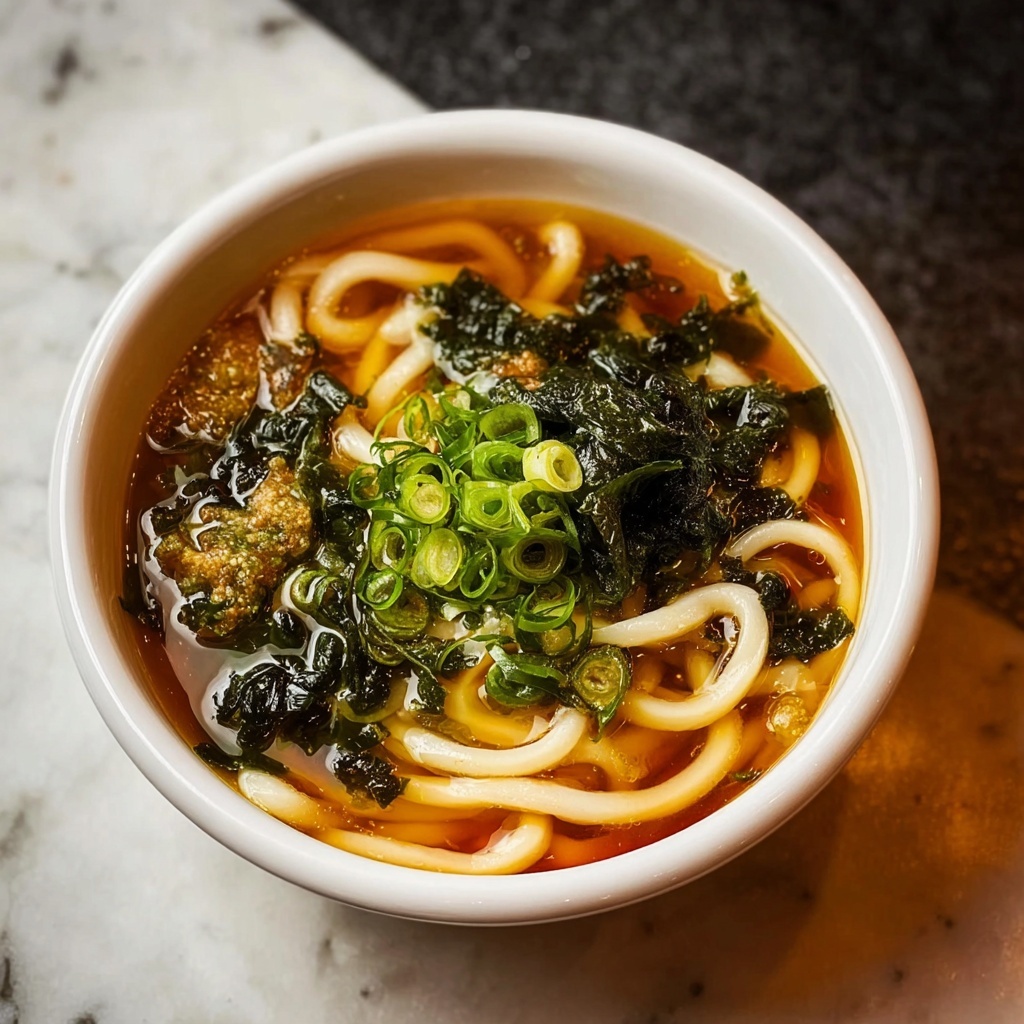
If you’re craving something deeply comforting yet wonderfully simple, this Japanese Udon Soup Recipe is an absolute must-try. It’s a heartwarming bowl of thick, chewy udon noodles swimming in a delicate yet flavorful broth made from kombu dashi, soy sauce, mirin, and a touch of sweetness. Every spoonful is like a warm hug that balances savory umami with a light sweetness, making it perfect for a quick weeknight meal or a midday pick-me-up. The magic lies in how effortless ingredients combine to create a dish that feels special without any fuss.
Ingredients You’ll Need
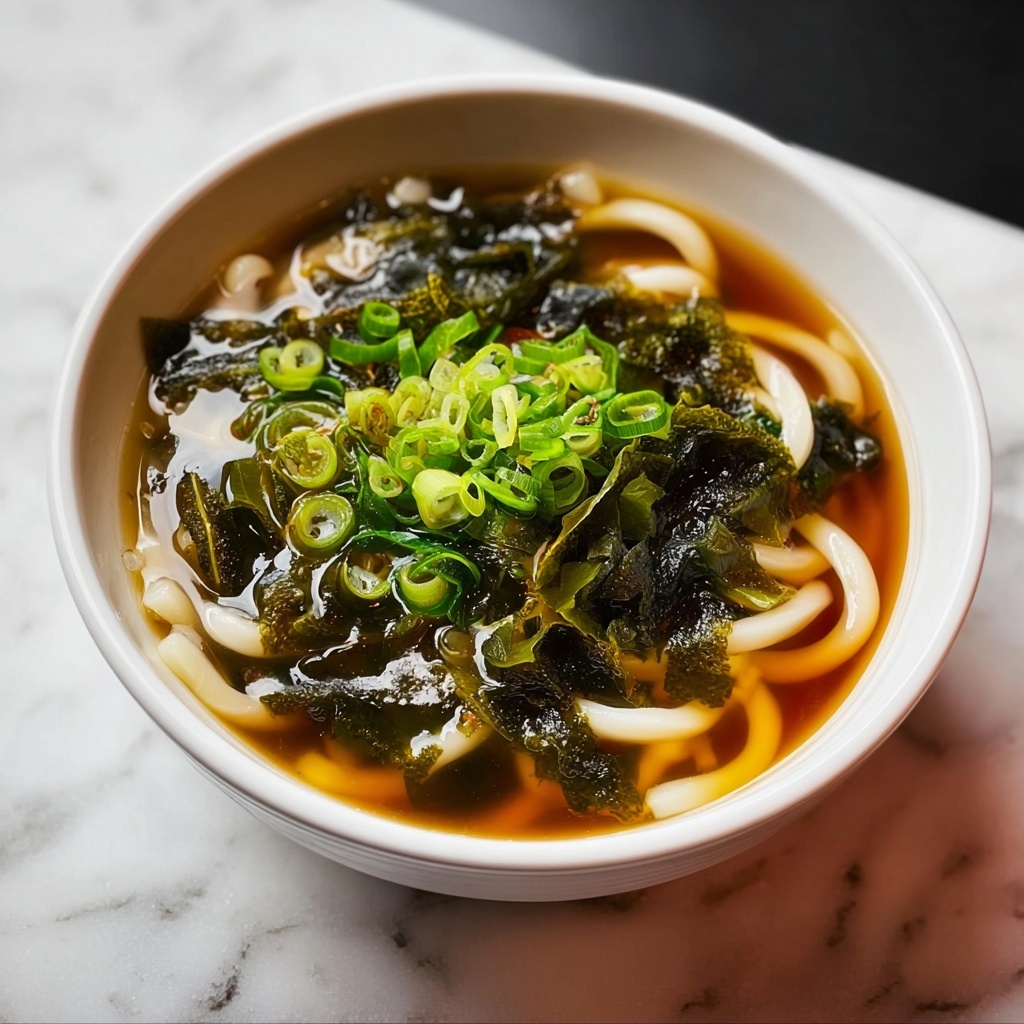
Getting the ingredients for this Japanese Udon Soup Recipe is refreshingly simple, yet each item plays a crucial role in building layers of flavor and texture that make this soup sing. From the deep, savory kombu dashi to the supple udon noodles and fresh green onions, these essentials transform humble elements into a bowl of pure joy.
- 4 cups water: The base of our broth, it lets the kombu impart its subtle ocean taste.
- 1 piece dashi kombu (dried kelp) (about 4 inches): This is the star umami source that brings authentic Japanese flavor.
- 2 tbsp soy sauce: Adds a salty-rich backbone to the soup, deepening the broth’s character.
- 1 tbsp mirin: A touch of sweetness and complexity that balances the savory notes.
- 1 tsp sugar: Just enough to harmonize the flavors without overpowering.
- 200 g udon noodles (fresh or dried): Thick, chewy noodles that make the soup a hearty, satisfying meal.
- 2 green onions (thinly sliced): The fresh, crisp garnish that adds brightness and color.
- 1 sheet nori (cut into strips): Offers a mild seaweed aroma that complements the kombu broth beautifully.
How to Make Japanese Udon Soup Recipe
Step 1: Prepare the Kombu Dashi
Start by placing the piece of dashi kombu into 4 cups of water in a medium pot and let it soak for 10 minutes. This soaking is crucial as it gently releases the oceanic notes that build the soup’s signature umami base. Then heat the pot over medium heat, watching carefully until it almost reaches a boil—right before boiling, remove the kombu to avoid bitterness and keep the broth clear and smooth.
Step 2: Season the Broth
Once your kombu-infused water is hot and fragrant, stir in soy sauce, mirin, and sugar. These ingredients add depth and a touch of sweetness, turning your broth into a perfectly balanced elixir. Let it simmer gently for about 5 minutes, allowing the flavors to marry and intensify into something truly special.
Step 3: Cook the Udon Noodles
While the broth simmers, cook your udon noodles according to the package instructions—whether fresh or dried. After cooking, drain them and rinse under cold water to stop the cooking process and remove any excess starch, ensuring your noodles remain chewy with the right amount of bounce in every bite.
Step 4: Assemble the Soup
Divide the cooked noodles between bowls and ladle the hot, fragrant broth over them. The heat of the broth will revive any chill from rinsing and bring everything together into one cozy dish.
How to Serve Japanese Udon Soup Recipe
Garnishes
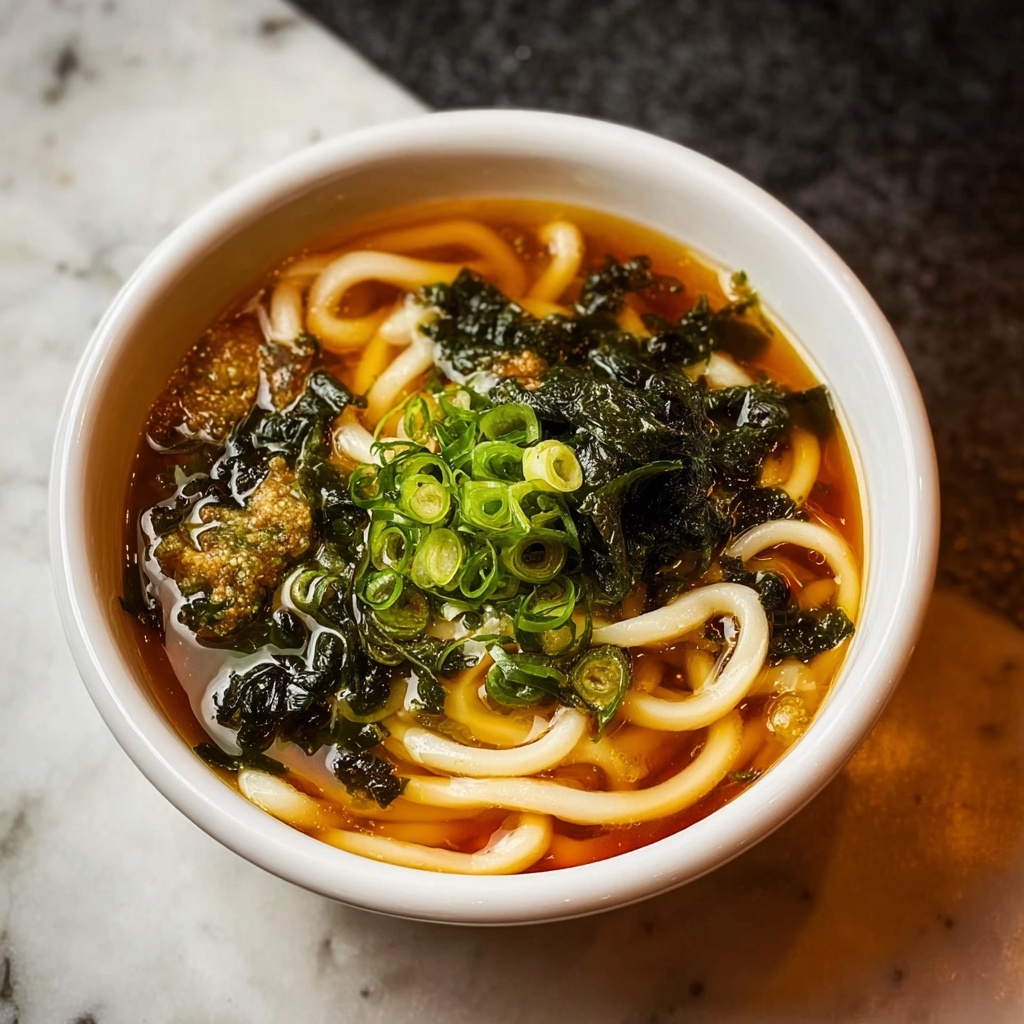
Simple garnishes make a big difference here. Thinly sliced green onions sprinkled on top add fresh, peppery brightness and a lovely pop of color, while delicate strips of nori introduce an earthy, sea-kissed note. These final touches not only enhance visual appeal but brighten the overall flavor profile in every spoonful.
Side Dishes
This Japanese Udon Soup Recipe pairs beautifully with light side dishes like crisp pickled vegetables or a small bowl of steamed edamame. A side of tempura or gyoza can also complement the noodles perfectly, turning the meal into a delightful ensemble without overpowering the soup’s delicate flavors.
Creative Ways to Present
If you want to elevate your udon experience, try serving the noodles and broth separately — allowing guests to customize their bowls. You might even add a soft boiled egg or some sautéed mushrooms for an extra touch of richness and texture that makes this classic soup feel new and exciting.
Make Ahead and Storage
Storing Leftovers
Leftover Japanese Udon Soup Recipe tastes just as good when refrigerated in an airtight container for up to 2 days. Keep the noodles and broth separate if possible, as the noodles tend to soak up the broth and get soggy over time.
Freezing
Freezing is not ideal for the noodles because their texture changes, but you can freeze the broth alone for up to 1 month. When ready to eat, thaw the broth and cook fresh udon noodles to maintain the best texture and flavor integrity.
Reheating
To reheat, gently warm the broth on the stove until hot but not boiling, then add freshly cooked or leftover noodles just to warm through. This approach keeps the soup tasting fresh and the noodles perfectly chewy.
FAQs
Can I use store-bought dashi stock instead of kombu?
Absolutely! Store-bought dashi is a convenient shortcut and will still give you that classic umami flavor, making the Japanese Udon Soup Recipe quick and simple without losing much authenticity.
Are udon noodles gluten-free?
Traditional udon noodles are made from wheat flour, so they are not gluten-free. However, there are gluten-free alternatives available made from rice or other grains if you need to avoid gluten.
What can I add to make this soup more filling?
You can easily boost the heartiness by adding tofu cubes, cooked chicken, or vegetables like mushrooms and spinach. These additions keep it wholesome and satisfying while staying true to the comforting nature of the Japanese Udon Soup Recipe.
Is mirin necessary in the recipe?
Mirin adds that subtle sweetness and a delicate fragrance which balances the broth, but if you don’t have it, you can substitute a splash of sweet rice wine or even a little extra sugar combined with water.
How thick are udon noodles compared to regular pasta?
Udon noodles are much thicker and chewier than spaghetti or fettuccine, which gives them that distinctive satisfying bite that works so well in soups like this. Their texture holds up beautifully in hot broth without becoming mushy.
Final Thoughts
This Japanese Udon Soup Recipe is a treasure of simplicity and soulful flavor. It’s one of those dishes that feels like a little hug from the inside, perfect for cozying up on any day. Whether you’re new to Japanese cooking or looking for a dependable comfort food that never disappoints, this recipe is a wonderful way to bring warmth and joy to your table. Go ahead, dive into this lovely bowl and savor every bite—you’ll be glad you did.
“`
Print
Japanese Udon Soup Recipe
- Prep Time: 10 minutes
- Cook Time: 15 minutes
- Total Time: 25 minutes
- Yield: 2 servings
- Category: Soup
- Method: Stovetop
- Cuisine: Japanese
- Diet: Low Fat
Description
A simple and comforting Japanese Udon Soup featuring a flavorful dashi kombu broth, seasoned with soy sauce, mirin, and sugar, served with tender udon noodles, fresh green onions, and nori strips. This easy-to-make dish can be prepared in just 25 minutes, perfect for a quick and satisfying meal.
Ingredients
Broth:
- 4 cups water
- 1 piece dashi kombu (dried kelp), about 4 inches
- 2 tbsp soy sauce
- 1 tbsp mirin
- 1 tsp sugar
Noodles and Garnishes:
- 200 g udon noodles (fresh or dried)
- 2 green onions, thinly sliced
- 1 sheet nori, cut into strips
Instructions
- Soak the Kombu: In a medium pot, add the 4 cups of water and place the dashi kombu piece into the water. Let it soak for 10 minutes to extract the umami flavor gently into the water.
- Heat the Broth: Heat the pot over medium heat until the water is nearly boiling, but do not let it boil fully. Remove the kombu from the pot just before the water reaches boiling point to avoid bitterness.
- Season the Broth: Add 2 tablespoons soy sauce, 1 tablespoon mirin, and 1 teaspoon sugar to the kombu broth. Stir well and let the broth simmer gently for 5 minutes to meld the flavors.
- Cook the Udon Noodles: Meanwhile, cook the udon noodles according to the package instructions—usually boiling for a few minutes. Drain the noodles and rinse them briefly under cold water to remove excess starch and stop the cooking process.
- Assemble and Serve: Place the cooked udon noodles into bowls, pour the hot broth over the noodles, and garnish with the thinly sliced green onions and nori strips. Serve immediately while hot.
Notes
- For a richer broth, consider adding bonito flakes after removing the kombu and simmering briefly, then strain before seasoning.
- Fresh udon noodles cook faster and have a better texture compared to dried ones.
- You can add protein like tofu, chicken, or shrimp for a heartier soup.
- Adjust soy sauce and mirin to taste if you prefer a saltier or sweeter broth.
- Use low-sodium soy sauce to reduce the salt content.